Choosing the Right Forklift for Your Business

Forklifts play a vital role in warehouses, construction sites, logistics operations, and manufacturing facilities. The right forklift can improve productivity, streamline material handling, and help businesses operate more safely and efficiently.
However, with a wide range of models, power types, and lifting capacities available, selecting the right forklift for your operation can sometimes be challenging.
Understanding how forklifts differ and what factors matter most will help you choose equipment that supports your business both now and in the future.
Understanding the Different Types of Forklifts
Not all forklifts are designed for the same working environment. Choosing the right type depends largely on where the equipment will be used and what tasks it needs to perform.
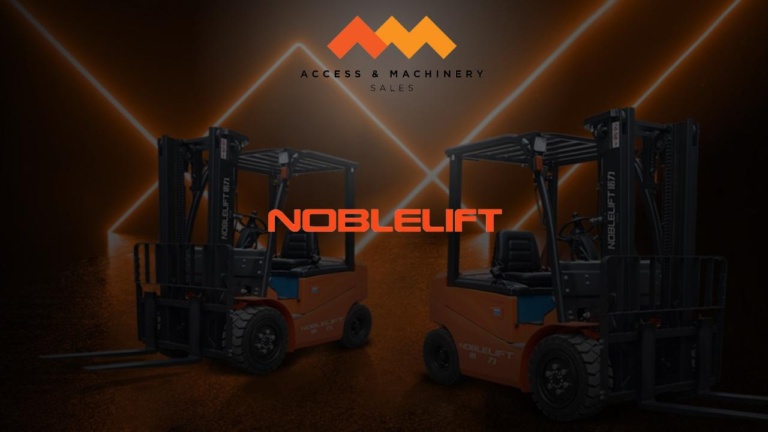
Electric Forklifts
Electric forklifts are commonly used in warehouses and indoor environments where emissions and noise levels need to be kept to a minimum.
Some of the key advantages of electric forklifts include:
- Quiet operation
- Zero emissions
- Lower ongoing maintenance
- Smooth and precise control
Because they do not produce exhaust fumes, electric forklifts are ideal for enclosed environments such as distribution centres, food storage facilities, and retail warehouses.
Diesel and LPG Forklifts
LPG and diesel forklifts are typically used in outdoor environments or for heavier-duty applications.
These machines provide:
- Higher lifting capacities
- Strong performance in demanding conditions
- Longer operating times
Construction sites, freight yards, and industrial facilities often rely on diesel or LPG forklifts to handle heavier loads and operate across larger outdoor areas.
Rough Terrain Forklifts
Rough terrain forklifts are designed specifically for outdoor environments with uneven or challenging ground conditions.
Unlike standard forklifts, these machines feature larger tyres, increased ground clearance, and enhanced stability to operate safely on construction sites, farms, and other rugged job sites.
Rough terrain forklifts are commonly used for:
- Construction projects
- Agricultural operations
- Infrastructure works
Outdoor material handling on uneven ground
Their ability to operate on rough surfaces makes them an essential tool when standard warehouse forklifts are not suitable for the environment.
Key Factors to Consider When Choosing a Forklift
Selecting the right forklift involves more than simply choosing a brand or model. Businesses should evaluate several operational factors before making a decision.
Lifting Capacity
One of the most important specifications is lifting capacity. Forklifts are designed to lift different weight ranges, and choosing the correct capacity ensures safe and efficient operation.
Selecting a forklift that matches your typical load requirements helps prevent overloading and improves overall workplace safety.
Lift Height
For warehouse operations with high racking systems, lift height is another critical factor. Some forklifts are designed specifically for environments where goods need to be stored or retrieved from elevated shelving.
Ensuring the forklift has the appropriate lift height will allow operators to work more efficiently in these environments.
Operating Environment
Where the forklift will be used plays a major role in determining the right machine.
Indoor environments typically benefit from electric forklifts due to their quiet operation and zero emissions. Outdoor or heavy-duty applications may require LPG, diesel, or rough terrain machines that can handle challenging conditions and heavier loads.
Space and Manoeuvrability
In warehouses with narrow aisles or limited space, manoeuvrability becomes particularly important. Choosing a forklift designed for tighter environments can help operators move safely and efficiently between storage areas.
Common Industries That Use Forklifts
Forklifts are used across a wide range of industries where materials need to be moved, stacked, or transported safely and efficiently.
Warehousing and Logistics
Warehouses and distribution centres rely heavily on forklifts to move pallets, organise inventory, and load or unload trucks.
Electric forklifts are often preferred in these environments due to their quiet operation and zero emissions, making them ideal for indoor use.
Construction and Building Sites
Construction projects frequently require forklifts to move heavy building materials such as bricks, timber, steel, and equipment around the job site.
LPG, diesel, and rough terrain forklifts are commonly used in these environments because they provide the power and durability required for outdoor conditions.
Manufacturing and Industrial Facilities
Manufacturing plants often use forklifts to move raw materials, transport finished goods, and manage storage areas within production facilities.
Depending on the environment, businesses may use electric forklifts indoors or diesel-powered machines for heavier lifting requirements.
Agriculture and Farming
Forklifts are also widely used in agricultural settings to move pallets of produce, transport supplies, and handle equipment around farms and storage facilities.
Rough terrain forklifts are particularly useful in these environments due to their ability to operate on uneven ground and outdoor surfaces.
Forklifts as a Long-Term Investment
A forklift is often a long-term investment for a business. Selecting the right machine can support daily operations for many years while improving efficiency and safety.
Businesses that invest in the right equipment often see benefits such as:
- Faster material handling processes
- Improved workplace safety
- Reduced operational downtime
- Greater overall productivity
Taking the time to choose the correct forklift for your environment and workload can make a significant difference to long-term operational performance.
Finding the Right Forklift for Your Business
Whether your business operates in warehousing, construction, logistics, agriculture, or manufacturing, choosing the right forklift can make material handling safer and more efficient.
At Access & Machinery Sales, we help businesses identify reliable forklift solutions suited to their operational needs.
Flexible Finance Options
Investing in equipment is a big decision, and we’re here to make it easier. Our flexible finance options help you acquire the tools you need without financial stress. Contact us at 1300 807 372 to learn more about our financing plans.